Ciudadanos Digitales Nicaragua promotes Media and Information Literacy through accessible, interactive, and community-based education.
Follow Us:
Ciudadanos Digitales Nicaragua empowers children, young people, and communities with the skills they need to evaluate information, protect their privacy, understand artificial intelligence, and participate responsibly in today’s digital world.
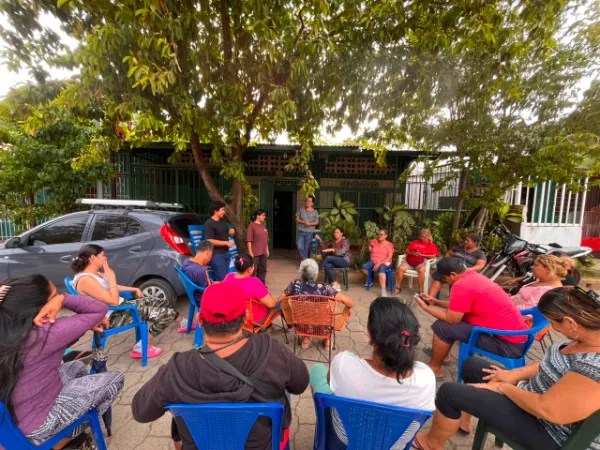
Through accessible, in-person workshops, we bring digital education to communities where connectivity and technological resources may be limited.
Critical Thinking
Learn how to evaluate sources, recognize misinformation, and make informed decisions.
400+ People Reached
Digital Safety
Protect personal information, manage digital footprints, and navigate online spaces safely.
Artificial Intelligence
Understand how AI-generated content works, its possibilities, and its limitations.
Digital Citizenship
Use technology ethically while promoting inclusion, respect, and community participation.
AACRA Educational Methodology
Ciudadanos Digitales Nicaragua is an educational initiative that promotes Media and Information Literacy through interactive, community-based workshops.
Our activities help participants move from being passive consumers of information to becoming informed, reflective, and responsible digital citizens.
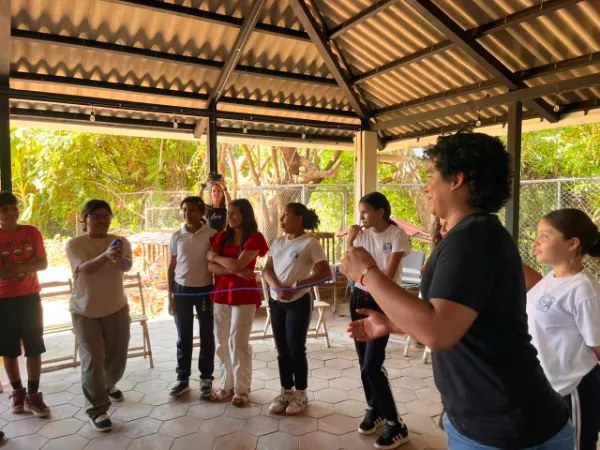
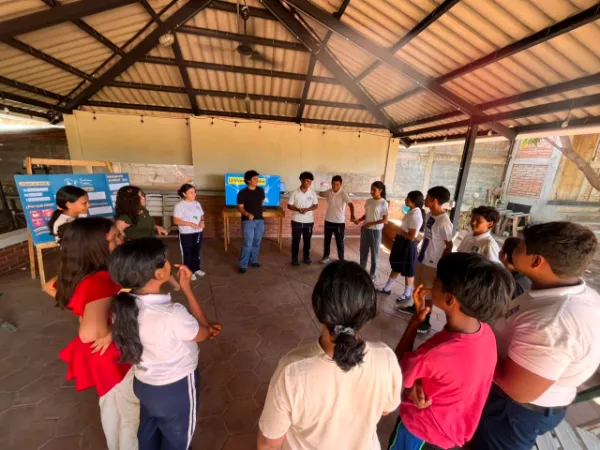
Because not every school or community has reliable internet access or digital devices, our workshops can be delivered using accessible materials such as posters, activity cards, visual exercises, collaborative games, and guided discussions.
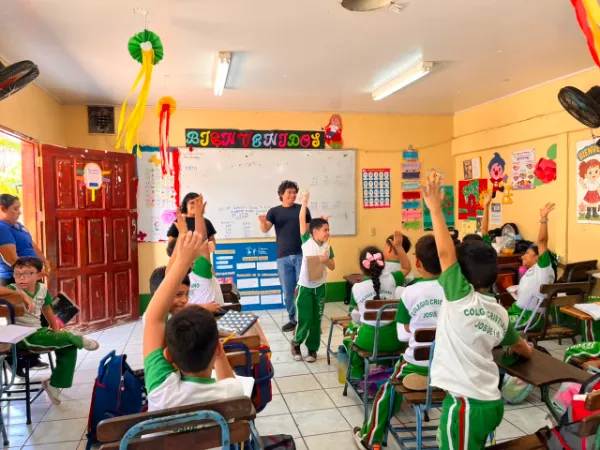
A friendly introduction to how the internet connects people and how information is created and shared.
Participants learn why they should not automatically believe everything they see online.
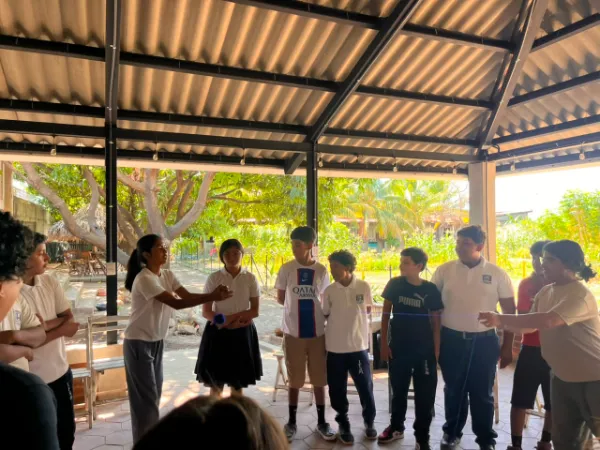
Students explore how information can change as it passes from one person to another.
They learn why verifying information before sharing it is essential for building respectful communities.
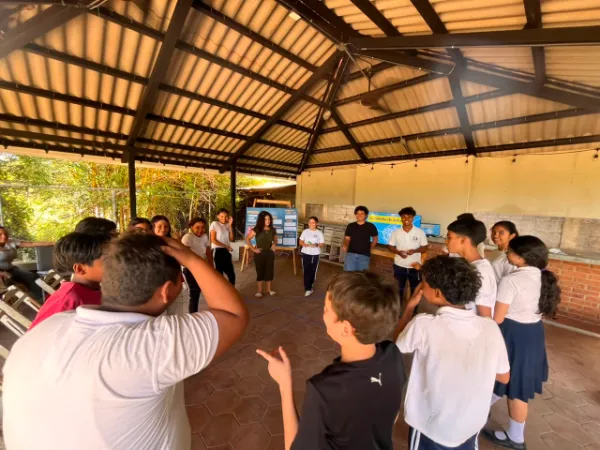
Participants learn to distinguish between public and private information, including passwords, addresses, photographs, and family information.
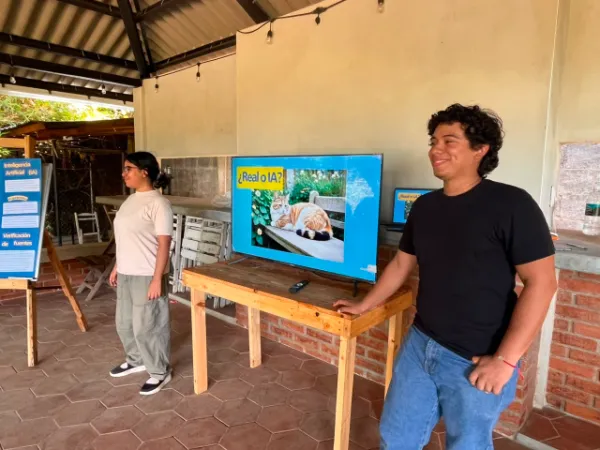
Students learn how generative AI creates text and images, how to identify synthetic content, and why human judgment remains essential.
Identify information, media, digital platforms, and available sources.
Evaluate credibility, evidence, context, authorship, and the intention behind a message.
Develop responsible messages, ideas, and solutions through collaborative activities.
Consider the consequences of sharing information and using technology.
Apply new knowledge through responsible decisions at school, at home, and online.
Recognize the difference between facts, opinions, misinformation, disinformation, and misleading content.
Protect personal information, manage application permissions, and understand digital footprints.
Understand how recommendation systems and generative AI influence the information people see.
Practice digital expression responsibly while respecting privacy, inclusion, and human rights.
The workshop presented important digital topics in a clear, engaging, and age-appropriate way. The activities encouraged participants to ask questions, think critically, and better understand how to protect themselves and make responsible decisions online.
Project Co-Founder and Educational Mentor
Project Co-Founder and Educational Mentor
Audiovisual Production and Mentor Support
Together, we can transform how children and communities engage with information and technology.
Media and Information Literacy is a set of skills that helps people access, evaluate, create, and use information critically, ethically, and responsibly.
Our activities can be adapted for elementary school students, young people, university students, educators, families, and community organizations.
No. Our workshops can be delivered using physical materials, interactive games, posters, and collaborative activities. Technology can be incorporated when available.
Yes. Schools, universities, nonprofit organizations, and community groups can contact us to coordinate an intervention.
Our goal is to make the methodology and resources freely accessible so educators and institutions can adapt and replicate them in their communities.